Stop Hiring for Experience, Build It
The insurance industry hurts itself by demanding four-year degrees for jobs that don’t need them. Apprenticeships work better.
In March, I wrote about the importance of instilling confidence in the young professionals entering our industry.
This month, I want to talk about something just as critical for the insurance talent pool: capability.
We’ve created a bit of a paradox on this topic. We say we can’t find talent, but we also create barriers for young people by increasing the requirements for roles that are meant to be entry-level.
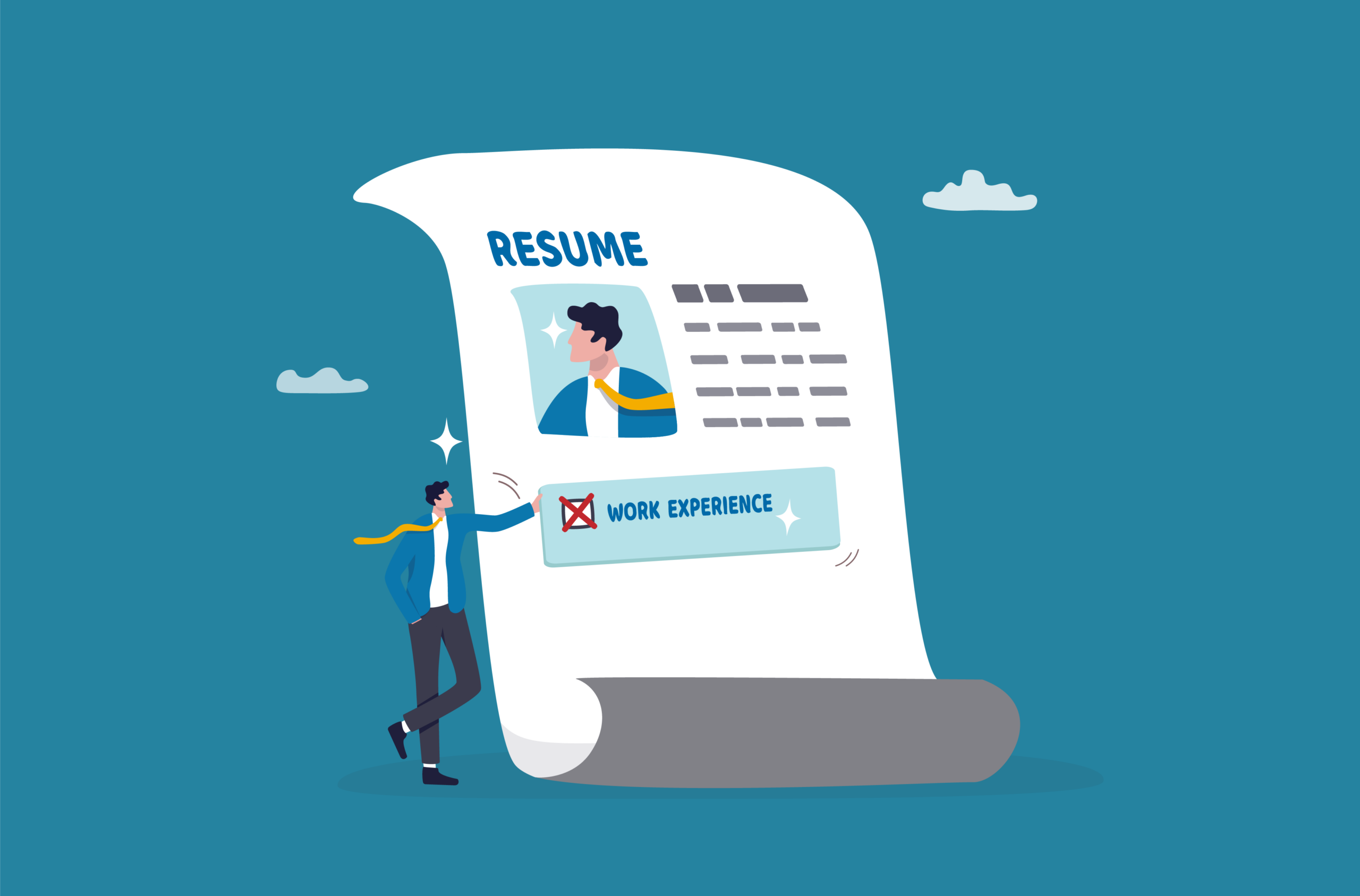
There’s a hiring trend that extends well beyond our industry, often referred to as “degree inflation.” Over time, many roles that once required skill and aptitude have quietly shifted to demanding formal credentials, most often a four-year degree. This is not necessarily because the work has changed, but because the degree has become a convenient proxy for capability. While that may simplify hiring screening, it comes at a cost.
For employers, it narrows the talent pool, sometimes dramatically. In one case, 67% of job postings required a degree, while fewer than 20% of people already in those roles had one, according to research from the Harvard Business School. Highly capable candidates who have built skills through experience, trade programs, or alternative pathways are often filtered out before they’re even considered. Simultaneously, requiring a degree can increase salary expectations and, in some cases, lead to higher turnover when overqualified hires move on quickly.
For job seekers, the impact is even more significant. It creates real barriers, particularly for individuals from lower-income backgrounds who may not have had access to college. In effect, we risk closing the door on people who are fully capable of doing the job well. This contributes to a system where individuals feel increasing pressure to pursue degrees and take on debt, simply to get through the first round of employment screenings.
This is not a new problem, but it demands a new approach. Let’s rethink what “qualified” really means.
At The Council Foundation, we’ve spent a great deal of time thinking about this, listening to our members, understanding the barriers to entering and advancing in our industry, and asking this question: if the traditional pathways aren’t working, what should replace them? Our answer is both practical and powerful, a model that builds talent rather than blocks it: apprenticeships.
There’s a hiring trend that extends well beyond our industry, often referred to as “degree inflation.” Over time, many roles that once required skill and aptitude have quietly shifted to demanding formal credentials, most often a four-year degree. This is not necessarily because the work has changed, but because the degree has become a convenient proxy for capability.
A Powerful Approach
The Council Foundation is not simply advocating for this approach; we are actively building it. This year, we are launching a national apprenticeship program designed for the commercial insurance brokerage industry. Structured as a paid, multiyear experience, the program combines on-the-job training, mentorship, and formal instruction to prepare individuals for long-term careers in roles such as account management, client service, and employee benefits. Importantly, it is designed to open new pathways into the industry, reaching candidates who may not have followed a traditional route, but who have the aptitude and drive to succeed.
There are many reasons for the insurance industry to lean into apprenticeships. Instead of using a degree as a proxy for capability, apprenticeships allow individuals to demonstrate what they can actually do, on the job, in real time. Apprentices earn while they learn, building tangible, measurable skills without taking on the burden of student debt.
For employers, apprenticeships offer a fundamentally different approach to hiring. Rather than bringing in someone with a general degree and hoping their education translates to the job, you are developing talent that is directly aligned with your business, your clients, your culture, and your processes. You are not just filling a role, you are shaping a professional.
We consistently see that individuals who come through these programs are not only well-prepared, they are deeply invested in their employer. They understand the business, they’ve grown within it, and they tend to stay. The U.S. Department of Labor reports that 90% of participants in its Registered Apprenticeship programs are retained by the business after the program is completed. Aon says 80% of its apprentices complete the program and move into roles within the brokerage.
Apprenticeships also open the door to a much broader and more diverse talent pool. They create access for individuals who may not have had a traditional path into our industry, but who have the aptitude, drive, and determination to succeed. This includes first-generation professionals, career changers, veterans, and individuals from underserved communities.
Perhaps most importantly, apprenticeships can help address our industry’s talent pipeline challenge as experienced professionals retire and fewer individuals enter the field. Apprenticeships offer a structured, scalable way to rebuild that pipeline, intentionally and sustainably. They acknowledge something we all know to be true: much of what makes someone successful in this business is learned by doing.
If we are serious about expanding and strengthening our talent pipeline, this is where that work becomes real.
Apprenticeships also open the door to a much broader and more diverse talent pool. They create access for individuals who may not have had a traditional path into our industry, but who have the aptitude, drive, and determination to succeed. This includes first-generation professionals, career changers, veterans, and individuals from underserved communities.
Making It Happen
This approach is already working within our industry. Aon has been investing in apprenticeship pathways since 2017, onboarding hundreds of apprentices and building a model for early talent. Carriers are seeing similar results. Zurich, for example, launched its U.S. apprenticeship program in 2016 and has since hired hundreds of program successes into underwriting, claims, and operations roles.
Aon and Zurich are not alone. Other organizations, including The Hartford, Liberty Mutual, and Travelers are actively exploring and developing similar skills-based pathways. What began as a small number of pilots is now gaining real traction across both brokers and carriers.
In recent conversations about the industry’s talent pipeline challenges, I’ve been struck by leaders’ willingness to rethink today’s system. There is an openness to building, not just hiring. While we are still in the early stages, the momentum is real.
We already have member firms stepping forward to participate in our initial apprenticeship cohorts, and a growing number are asking for more information and seriously exploring how they can engage.
Firms are leaning in—not just in conversation, but in action—by identifying roles, dedicating mentors, and investing time and resources to help us launch and refine this model.
If we continue to define “qualified” by what someone has already done, we will continue to compete for the same limited pool of talent. But if we define it by what someone can become, we open the door to something much bigger. We must be willing to build this future ourselves.