Power Plays
Data centers’ energy needs may drive transformations in how power is generated and distributed.
Continuous power supply is essential for data centers to maintain data integrity, prevent equipment damage, and ensure business continuity.
A data center outage halts crucial services like banking and communication, resulting in substantial financial penalties for failing to meet contractual service level agreements with clients. Moreover, frequent outages can severely harm a company’s reputation, erode customer trust, and lead to a loss of business.
Outages also damage expensive hardware like servers and graphics processing units, powerful processors for graphics rendering and parallel computing tasks. Data centers rely on constant, active cooling to maintain safe operating temperatures. When power fails, this heat dissipation stops and equipment quickly overheats, causing rapid and permanent physical damage within minutes.
Insurance brokers and carriers can mitigate these risks via specialized policies and proactive risk management. For instance, a broker can arrange utility and business interruption policies to compensate for income lost during power outages. Cyber policies can cover losses from an attack resulting in an outage. Valuable risk engineering services, such as an assessment of power resilience to reduce the likelihood of future operations interruptions, are also available.
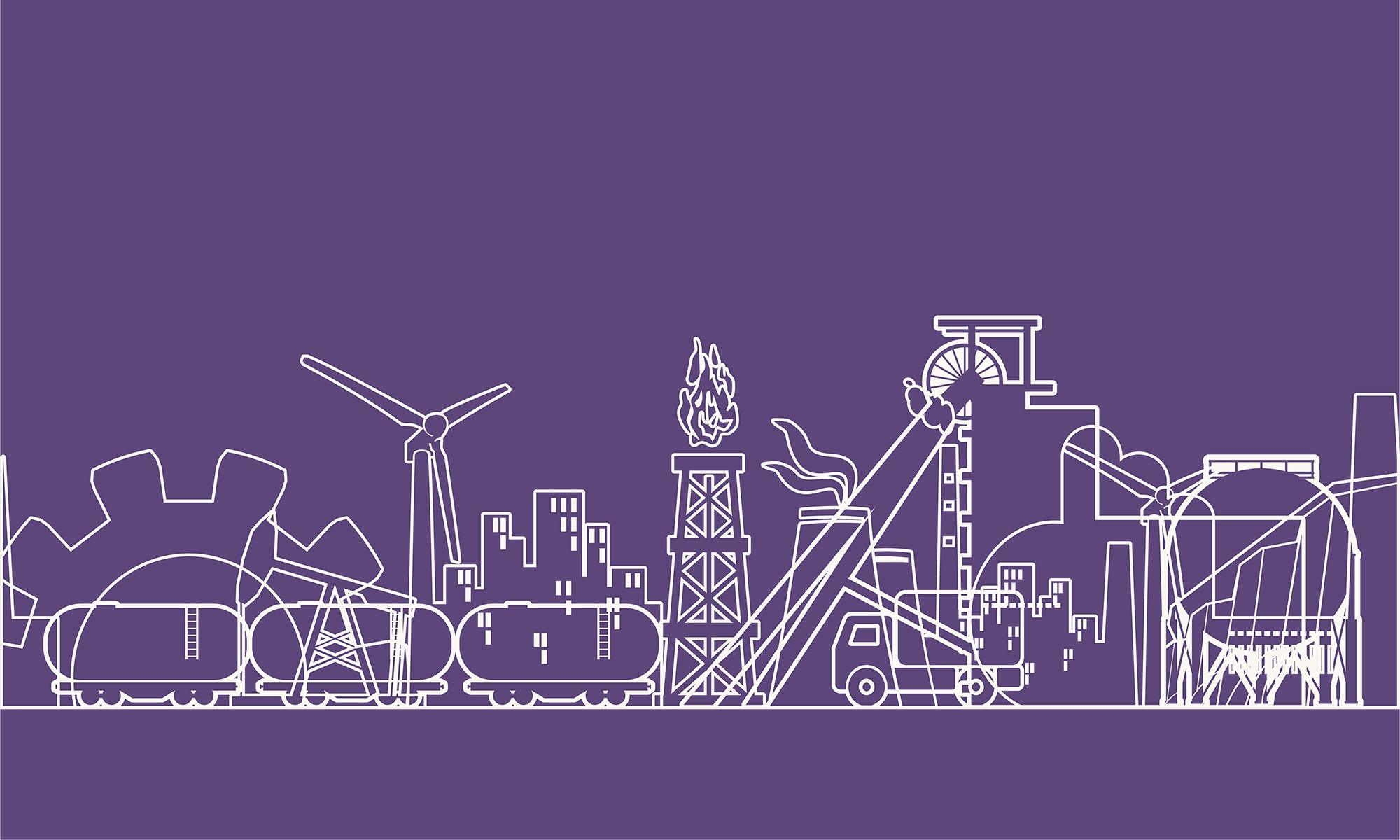
Since traditional power grids may lack the capacity for hyperscale data centers, developers are exploring alternative energy solutions, including on-site generation from natural gas-fired power plants and turbines, fuel cells, solar and wind, geothermal, and small modular nuclear reactors (SMRs).
SMRs remain a dicey proposition, given public safety perceptions following past nuclear incidents like Three Mile Island and Chernobyl. Proponents maintain that new designs rely on physical forces like gravity and natural convection for cooling. This allows the reactors to shut down and cool the core without human intervention, external power, or active pumps, thereby minimizing the risk of accidents caused by power outages or human error. “SMRs are considered ‘next stage’ safer and don’t have the same waste issues previous nuclear facilities had,” says George Haitsch, Technology, Media, and Telecommunications Industry Division leader at insurance brokerage WTW.
At present, no data centers are powered by SMRs; hence, there is no need yet for insurance. While standard property and liability insurance policies explicitly exclude damages caused by nuclear accidents, numerous property and casualty insurance companies have combined their capacity to jointly provide coverage to large nuclear power plants that no single insurer could absorb alone. These pools include American Nuclear Insurers and Nuclear Electric Insurance Limited.
“The question for the insurance industry regarding SMRs is, ‘Are they sufficiently safe?’” says Ed Chanda, global leader of insurance audit at accounting and advisory firm KPMG. “Underwriters will obviously need to spend a lot of time making sure this is indeed the case.”