Life Is Art
Richard Russo reflects on how a blue-collar upbringing inspired his novels.
It’s not a revelation to suggest that a work of art is to some degree sourced from the artist’s lived experience.
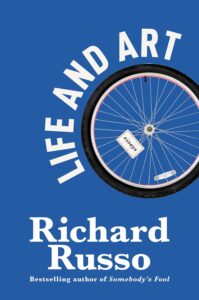
What Richard Russo does in Life and Art, a collection of essays, is to show clearly and directly how his blue-collar, small-town upbringing frequently informs his novels and screenplays.
Russo is known for creating working-class characters and locales in novels such as the Pulitzer Prize-winning Empire Falls, as well as Nobody’s Fool and Straight Man, which were respectively adapted into a 1994 feature film starring Paul Newman and the 2023 television series Lucky Hank headlined by Bob Odenkirk.
Life and Art
By Richard Russo
Alfred A. Knopf
$28
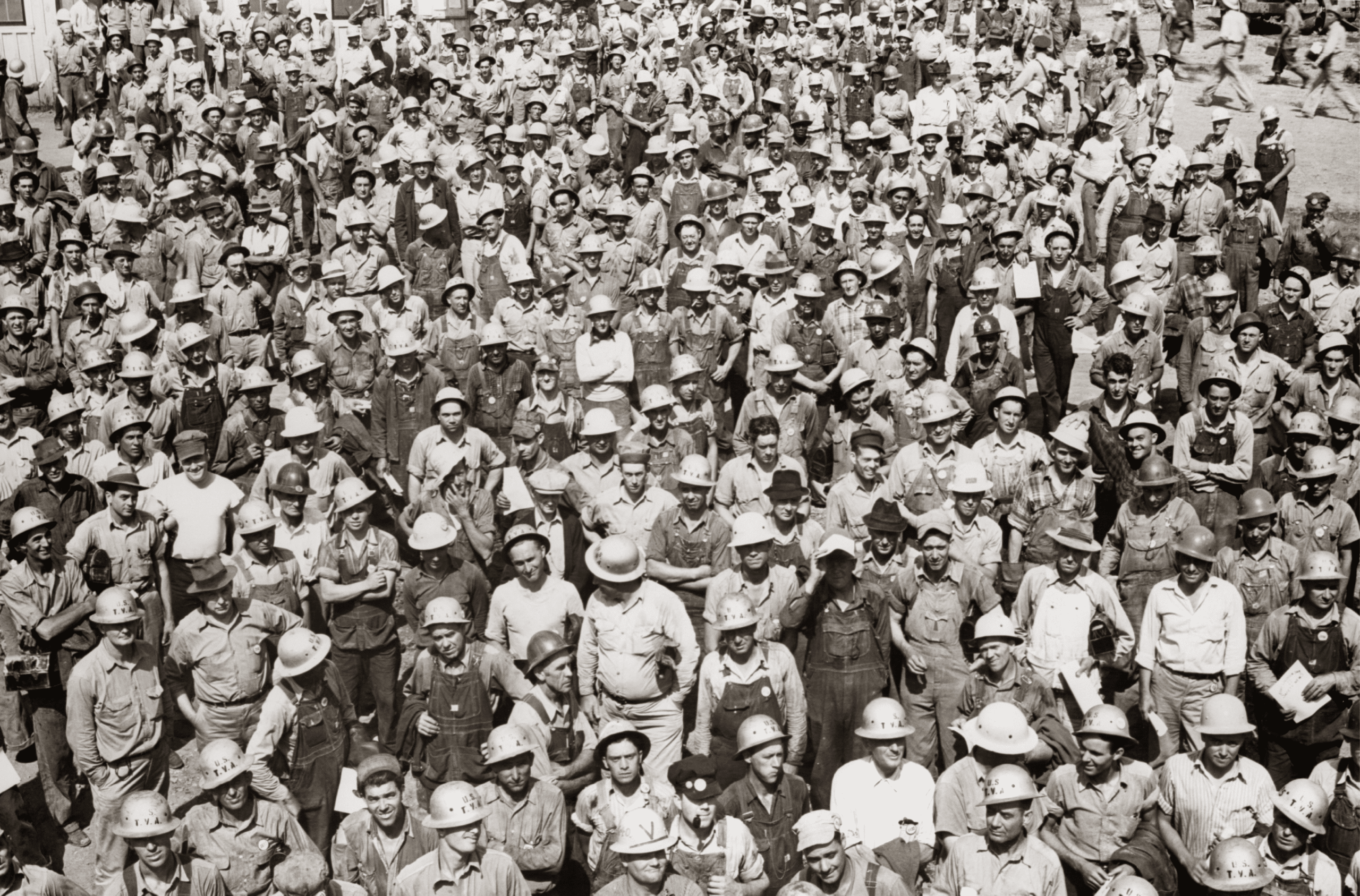
The author was born in 1949 and raised by a single mother in Gloversville, New York, a town aptly named due to its glove-making and leatherworking plants. Jobs were low-paying, and long-term factory workers often became ill from the toxic chemicals and plant environments.
While Russo’s parents divorced shortly after his birth, they each played an active role in their son’s upbringing, and the tension between their worldviews found voice in many of his novels. His mother was the optimist, believing that in America after World War II there were few barriers to improving one’s life through hard work. She commuted to General Electric in Schenectady for an office job that paid barely enough to live on. Despite her professed optimism, she struggled financially and experienced a second failed marriage, never, according to Russo, finding contentment and happiness.
Russo’s father was the pessimist, surviving the Allied landing on D-Day but declining to take advantage of the GI Bill to further his education. Instead, he worked all his life on a road construction crew. Russo labored alongside him in the summers for several years until he graduated from college. When work was done for the day, Russo’s father sat on a bar stool until last call. He saw barriers and prejudices in every corner, lamenting from his nightly perch that because his last name ended in a vowel, doors were systemically closed to him.
Russo’s fiction may be his way of working through the mystery of his parents’ breakup and the fact that so many people around him in his youth were stuck in a lower economic class, struggling to pay bills, wrestling with alcoholism, and succumbing to illnesses they could not afford to treat with proper medical care.
“The America that my mother prepared me for was closer to the America of my experience than the one my father feared might have it in for me,” Russo writes in one essay. He does give his father’s viewpoint some credit, though: “The thing my father got most right, though, was that America did not fundamentally change after the war.”
Russo’s fiction may be his way of working through the mystery of his parents’ breakup and the fact that so many people around him in his youth were stuck in a lower economic class, struggling to pay bills, wrestling with alcoholism, and succumbing to illnesses they could not afford to treat with proper medical care.
“In the end we tell stories because we must,” he writes. “And the real source of that must isn’t talent or knowledge or the authenticity that derives from research and lived experience. It’s mystery. What we don’t understand is what beckons to us.”
What Beckons To Russo
For the author, it seems that what beckons is understanding his parents. And as Russo ruminates on his parents as adults with feelings and disappointments, they become multidimensional, much more nuanced and emotionally rich than a youngster’s limited understanding of what it means to be an adult and a caregiver in an unpredictable world. Take the lovable but irresponsible Sully Sullivan in Nobody’s Fool, closely based on Russo’s father. In fleshing out this character, Russo may be trying to close the gaps, I believe, between knowing and understanding in his relationship with his own father.
In the essay Marriage Story, he ponders his mother’s decision to follow his father to a Georgia military camp: “How did my mother react when she knew she was pregnant? I wish I knew.…By then it would have come home to her that dropping out of school and following my father to Georgia had been the biggest mistake of her life.”
The timing of reading Life and Art is sadly serendipitous for me, as I lost both of my parents in the past year. Reading Russo helped me think of my parents as more than just Scott’s mother and father, but rather as individuals with fears, small triumphs, foibles, and a measure of worldly success. As a result, my parents have come alive to me in a way they did not before their deaths.
What gives Russo, or any author for that matter, the right to use pieces of another’s life in his fiction? “Okay, I’m not you, the logic goes, but if I take the time to observe you carefully, if I study how you navigate the world, if I listen to you when you speak, then in time I can begin to imagine what it feels like to be you,” he explains.
I think the operative phrase in Russo’s comment is “begin to imagine.” Here, he acknowledges that his imagination takes hold when creating a character in a work of fiction. Beyond what they can observe or know, writers have license to put blood in the veins, flesh on the bones, and a certain way of interacting with the world in building a character. But the real-world observation provides a grounding of sorts for the writer. In other words, what Russo observed about his parents, and other characters populating his fiction, based at least partially on real people, helps to close the gap between him and the fictional characters.
Life Is Art could have easily been the title of Russo’s book on how his life informs his writing. He offers a pleasant and ruminative read on how our past influences and shapes our lives.