Heritage Hunting
UNESCO sites reveal the true souls of Australia and New Zealand.
There is a lot to choose from when building your itinerary to Australia or New Zealand, from surfing to glow-worm caving to sipping the local sauvignon blanc.
But to truly gain a full sense of these two popular Australasian countries— their cultural traditions and dramatic landscapes, the very characteristics that create a destination’s unique identity— make sure to include stops at the many United Nations Educational, Scientific, and Cultural Organization (UNESCO) sites.
WHEN TO GO The shoulder seasons of September to November (spring) and March to May (fall).
CURRENCY Australian Dollar: US$1 = AU$1.40; New Zealand Dollar: US$1 = NZ$1.73
LANGUAGE Roughly 150 Aboriginal languages, te reo Māori, and very colorful forms of English.
COMPANIES TO CONSIDER Lindblad Expeditions, Silversea, Kensington Tours, Intrepid Travel, G Adventures
UNESCO has scoured the world, compiling a list of the most important places to protect and preserve. To date, it has recognized 1,273 properties on the World Heritage List for possessing outstanding value to humanity due to their cultural and natural attributes. UNESCO then works with the countries to establish optimal management plans for each property and build buffer zones to prevent industrial encroachment, while also raising awareness when those locations face urgent threats.
Collectively, Australia and New Zealand have 24 locations on that list—most of them on the former island nation, which is roughly 29 times larger than the latter. Visiting the few featured here will not only be the highlight of your journey, but will also financially support (through entrance fees and other on-site payments) an organization safeguarding the cultural monuments and natural wonders that define the world.
Australia
UNESCO subdivides the properties it protects. This classification includes natural wonders like the Great Barrier Reef, cultural marvels such as Sydney’s Opera House, and those that combine natural and cultural insights like Uluṟu, the great sandstone monolith that is both a spectacular geological formation and of vital mythic significance to the Anangu Aboriginal people.
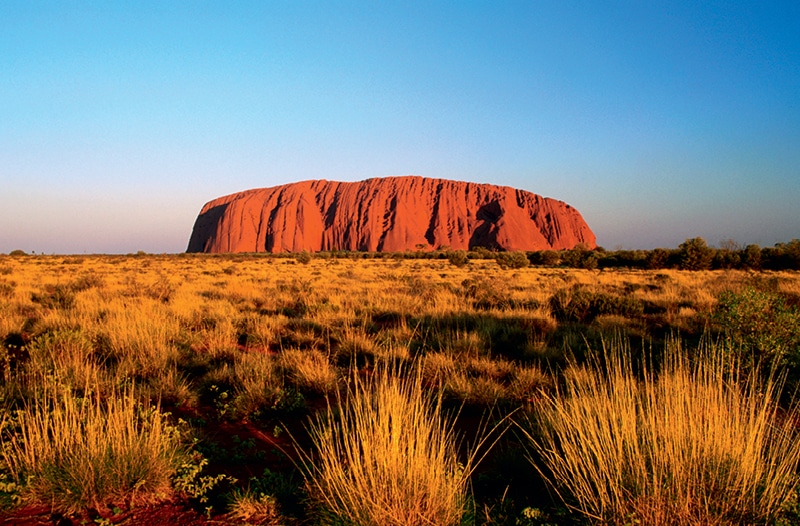
But that only accounts for three of the country’s 21 recognized World Heritage properties. Many others are worth a visit, and they’ll be much less crowded thanks to their remote locations. Take Purnululu National Park, an area that was effectively unknown to the outside world until the 1980s. Located in the Kimberley region of Western Australia, the 240,000-hectare park is most famous for the wonderfully named Bungle Bungle Range—beehive-shaped sandstone domes striped with dramatic orange and dark gray bands.
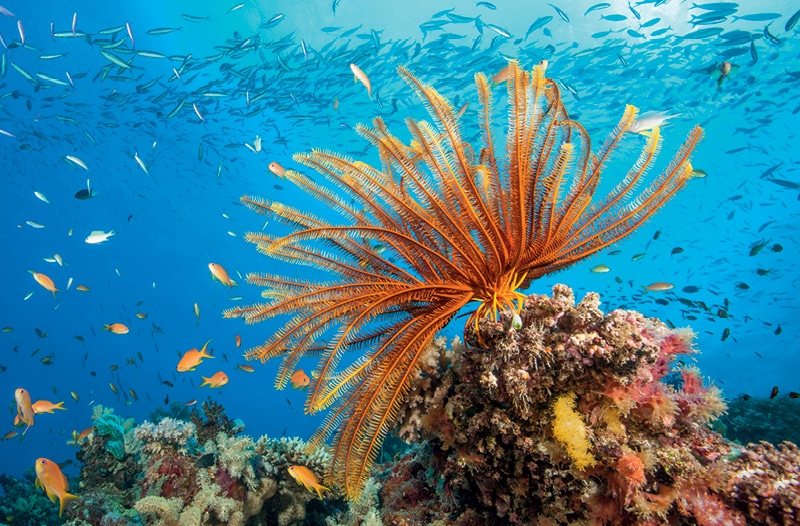
Further west, 750 miles north of Perth by auto, Ningaloo Coast gives the Great Barrier Reef a run for its money. At 160 miles long, the Ningaloo Reef is Australia’s largest fringing coral reef, which means it’s close to land. You can easily step straight off the white-sand beaches and into shallow, turquoise lagoons to swim over staghorn coral, soft sponges, and giant clams. Yet the real underwater attractions are the whale sharks. From March to July, hundreds of these gentle giants gather along the reef, where visitors can calmly and safely swim alongside them for a once-in-a-lifetime experience.
If the western coast of Australia is not remote enough for you, aim for Macquarie Island. Located midway between Tasmania and Antarctica, this sub-Antarctic outpost can only be reached by small-ship expedition cruises. Once there, you will be amazed by the noise—the island teems with cacophonous colonies of seabirds, including nearly the entire world population of royal penguins, as well as massive elephant seals adding their booming grunts to the mix. Don’t let the wildlife distract you from the island’s unique geological allure; it’s the only location where rocks from the Earth’s mantle are exposed above sea level.
A natural destination also known for its cultural significance is Kakadu National Park. Nature lovers will enjoy the park’s immense biodiversity, from savanna woodlands and mangroves to tidal mudflats and monsoon forests, which flourish and wither throughout the year due to the rise and fall of floodwaters during the park’s six seasons. You read correctly: the region’s traditional owners recognize six unique seasons shaped by rainfall, wind, and plant growth. They would know: the Aboriginal people have called Kakadu home for more than 50,000 years. Their story is told on rock art here, which depicts their creation stories, massive animals now extinct, and early contact with European traders.
Recognized for its cultural impact, the Budj Bim Cultural Landscape will nonetheless surprise you with its architectural importance. Set in southwestern Victoria, Australia’s newest UNESCO designee contains one of the world’s most extensive and oldest aquaculture systems: a sophisticated network of channels and dams crafted from ancient lava flows to trap short-finned eels. You can taste fresh eels during a tour guided by the land’s traditional owners—the Gunditjmara—who built the system over at least 6,600 years.
New Zealand
Each of New Zealand’s three UNESCO properties offers a distinct window into the country’s dramatic geology, ancient ecosystems, and rich indigenous heritage.
Like Kakadu, the North Island’s Tongariro National Park is celebrated for both its natural wonders and profound cultural significance. The park centers around three active volcanic peaks—Mount Ruapehu, Mount Tongariro, and Mount Ngāuruhoe—which are considered tapu, or sacred, to the Māori people. Descendants of the local Ngāti Tūwharetoa iwi will guide you around the park, or you can hike on your own across craters, active vents, ancient lava flows, and the vibrant Emerald Lakes. But, to respect the culture, don’t summit the sacred peaks or swim in the lakes.
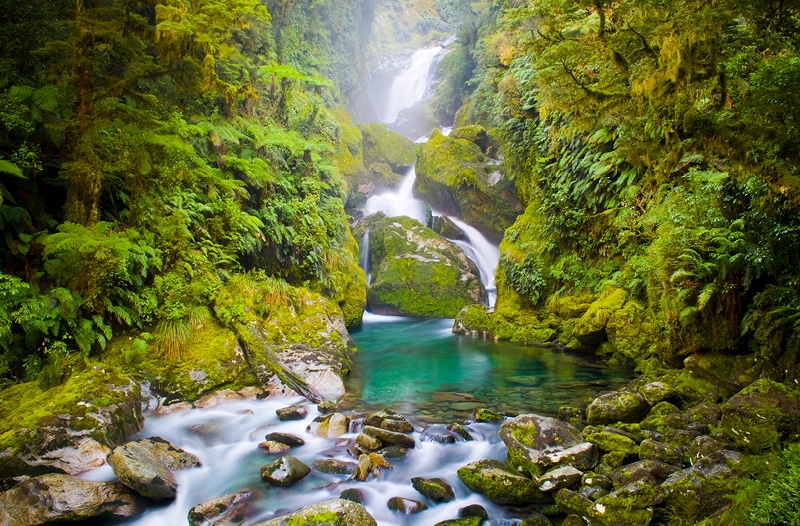
On the South Island, Te Wāhipounamu covers one-tenth of the country’s total landmass with ice-carved fjords, soaring alpine peaks, crystalline lakes, and rainforests. The area encompasses four national parks—Fiordland, Aoraki/Mount Cook, Westland Tai Poutini, and Mount Aspiring—creating a massive wilderness that best represents the flora and fauna that once covered the ancient supercontinent of Gondwana. Much of the region is blanketed in mature podocarp and southern beech forests, providing refuge for rare endemic species such as the kea, Earth’s sole alpine parrot, and the flightless takahˉe. You can take it all in by land (hiking), air (helicopter tours), and sea (fjord cruises).
The can’t-miss experience is kayaking along Milford Sound, staring up in awe at the sheer rock faces rising thousands of feet straight out of the dark, glacier-fed waters. If kayaking is not your thing, the 33-mile Milford Track is frequently called “the finest walk in the world.”
To reach New Zealand’s last UNESCO site, you’ll need to go south of the South Island. Consisting of five island groups, the New Zealand Sub-Antarctic Islands—much like Macquarie Island—are for the birds. Those few humans fortunate enough to visit via select expedition cruise ships will find 126 bird species, including 10 species of albatross, almost 2 million sooty shearwaters, and eight seabirds that only breed there. But don’t let the wildlife distract you or you’ll trip on the megaherbs, giant sub-Antarctic wildflowers that can grow over a meter in length.
Whichever UNESCO World Heritage property you visit—be it in this Australasia corner of the world or countless other far-flung locales—you’re not only in for a treat, but you’re also supporting the organization’s ideals of global conservation, sustainable economic development, and cross-cultural understanding.
Since this article focuses on off-the-beaten-path locations, we’ll go off-the-beaten-current. Deviate from popular ports like Sydney and Auckland and take an expedition cruise to the Kimberley region in North West Australia. Three times larger than England, this is one of the world’s last wilderness frontiers. Here are a few places you can visit on this voyage.
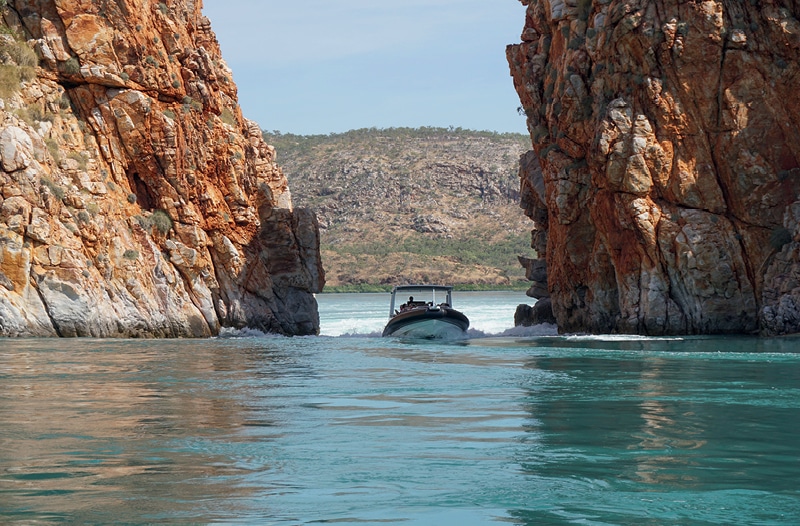
Broome, Western Australia > At the gateway to the Kimberley, you can learn about the city’s pearling history on a pearl farm, visit the country’s most remote brewery, spot rare snubfin dolphins, or take a leisurely camel ride along Cable Beach.
King George River, Western Australia > Venture by Zodiac boat through the towering sandstone gorge to King George Falls, Western Australia’s highest twin waterfalls, plummeting over 80 meters down a sheer rock face into a plunge pool.
Vansittart Bay (Jar Island), Western Australia > History is on display here through two significant Aboriginal rock art sites and the surprisingly intact wreckage of a World War II C-53 aircraft.
Buccaneer Archipelago Region, Western Australia > Of all the tidal oddities around the 800 islands here, the highlight is the horizontal reversible waterfall in Talbot Bay, called “The Horries” by some and “one of the greatest wonders of the natural world” by Sir David Attenborough.
Darwin, Northern Territory > In Australia’s northernmost capital city, crocodiles patrol the surrounding jungled waterways, but you can still access nearby Kakadu National Park by airboat.
Australia and New Zealand’s Indigenous peoples have long contributed to the culinary scene in both countries. Here are a few items you can sample while learning more about these cultures.

Bush Tucker > This is a generic name for any food native to Australia and historically eaten by Indigenous Australians, including bunya nuts (found in pine cones the size of your head) and finger lime, also called “citrus caviar” due to their tiny, translucent pearls.
Kangaroo > Lean and protein-rich, kangaroo has been a staple source of protein in Australia for millennia. Nowadays it’s best enjoyed seared medium-rare as steaks or in burgers.
Crocodile > The reptile’s white meat is harvested mainly in Northern Australia and has a delicate flavor somewhere between chicken and crab. It has a long Aboriginal history but now is mostly served to tourists.
Hāngī > This Māori feast cooked in the ground can include chicken, lamb, seafood, and vegetables laid on stones then topped with dirt to trap the heat.
Rēwena > A textured, flavorful potato bread that tastes sweet and has a slight sour flavor due to the long period of fermentation it undergoes.