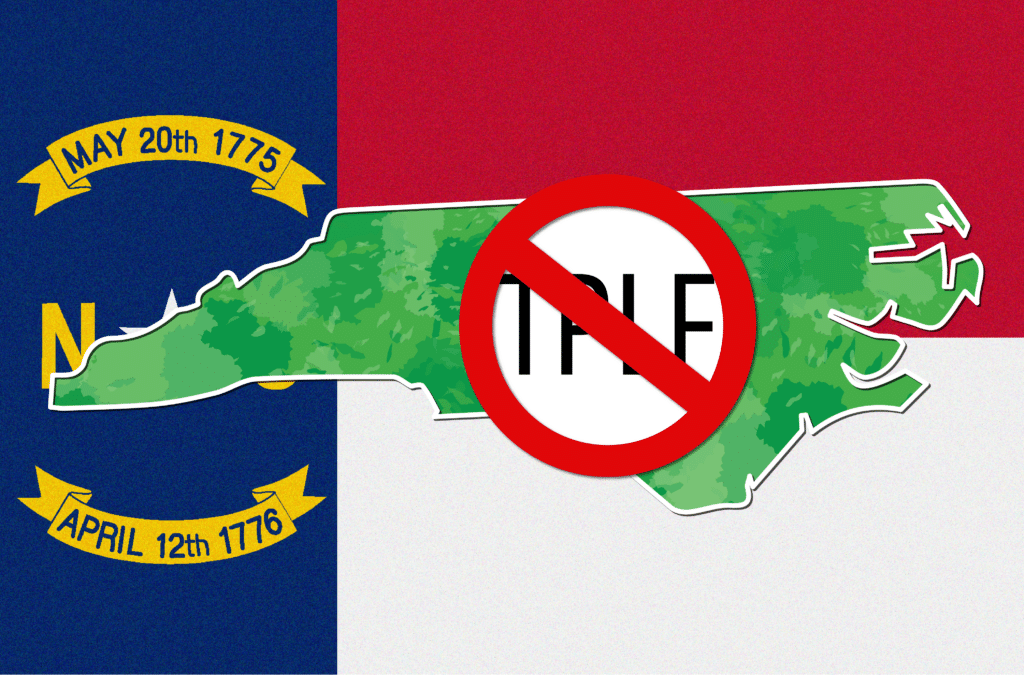
The Rejection Election
Voters’ repudiation of President Donald Trump via Republican lawmakers has implications for the insurance industry.
The night before Democrats won majorities in both houses of Congress in the midterm elections, I was in Cleveland with Charlie Cook, the renowned political commentator and a friend of mine for decades.
Speaking to an audience of hundreds of mostly Republican business leaders, Cook didn’t mince words: it was going to be a terrible election for the GOP.
But do not despair if you’re a Republican, he said. Voters weren’t so much hiring a new team as they were firing the existing crew. When most of the country is unhappy—and it has been for a quarter-century—elections stop being contests between two political visions, according to Cook. They become verdicts on whoever happens to be holding the keys.
Unison Risk Advisors Chairman and CEO Bob Klonk, our host for the evening, asked whether Republicans would lose the Senate due to President Donald Trump or the quality of their candidates. Cook didn’t hesitate: “It’s 95% because of Trump, 5% the candidates.” That 5%, he said, was exclusively due to the awfulness of Ken Paxton, the scandal-plagued Texas attorney general who lost to Democrat James Talarico the following day.
I came to Washington, D.C., 43 years ago to work for a Reagan Revolution conservative member of Congress. I’ve had a R after my name all that time, and I’m heartsick for friends in the House and the Senate who were collateral damage in the biggest electoral sweep since Watergate. I’ll hone my thoughts in coming months, but I’m doing my best to find some silver linings, particularly with respect to the commercial insurance brokerage agenda in Congress.
Here are some observations.
- With the conspicuous exception of Democrats’ support for trial lawyers, most of our issues are not liberal-versus-conservative. They’re sometimes not even necessarily directly political in nature, instead involving regulations or conflicts within the business community.
- I’d rather be us than many other insurance organizations. CouncilPAC, the political fund for The Council of Insurance Agents & Brokers, is among the largest in Washington, and our political contributions over the years have been assiduously bipartisan. While the political middle has shrunk, that’s still where we concentrate our contributions.
- Minority Leader Hakeem Jeffries (D-N.Y.) will be the speaker of the House, and he is a good man with consistently moderate instincts. He has been generous to The Council over the years, consistently taking meetings with our leadership and member executives. If Democrats had retaken control of the House by a narrow margin, there was much speculation that Jeffries would struggle to pursue his agenda, facing ultimatums from the newly emboldened Democratic Socialists of America. But the blue wave assures Jeffries that he can lose a few votes here and there in his caucus and remain effective on issues such as sustaining employer-provided healthcare.
- The next chairman of the House Ways and Means Committee will be Rep. Richard Neal (D-Mass.), a good friend and ally for decades who was once a life insurance agent. On healthcare reform, he is more interested in restoring expiring Affordable Care Act (ACA) subsidies than he is in supporting a public option for healthcare, and he’s opposed to “Medicare for All.” He’s publicly supportive of lowering the age of eligibility for Medicare.
- The next chairwoman of the House Financial Services Committee will likely be current Ranking Member Maxine Waters (D-Calif.), the liberal firebrand from Los Angeles. On a wide range of insurance issues, from flood coverage to the terrorism reinsurance program, she has been an ally to the community. Interestingly, half of the Republicans now on the committee will not be in Congress next year, whether voluntarily retiring or being ousted. Fortunately, current Chairman French Hill (R-Ark.) survived a tough reelection battle. He will be the panel’s ranking member starting in January, and he has worked constructively with Waters.
- Sen. Elizabeth Warren (D-Mass.) is in line to be chair of the Senate Banking Committee. I share virtually nothing in common ideologically with her, but she is whip-smart and politically savvy. When she could have picked a moment earlier this year to sink reauthorization of the Terrorism Risk Insurance Act, she chose instead to champion the legislation.
- We’ve worked hard for years to make pharmacy benefit managers (PBM) as transparent about their compensation as commercial insurance brokers. Democrats have criticized PBMs for driving up healthcare costs, reducing patient choice, and executing anti-competitive practicesthat harm independent pharmacies, making them natural allies in this battle.
How’s that for looking on the bright side? For a Mississippi-born Republican, I’m doing my best.
Focused on Employer-Sponsored Health Insurance
But I am deeply concerned about the future of employer-sponsored group health insurance. A disturbing number of winning candidates have made Medicare for All a top priority. Conspicuously, they include Democratic Sens.-elect Abdul El-Sayed of Michigan and Troy Jackson of Maine. (For the record, I believe voters were bonkers not to elect Mike Rogers in Michigan and to dump Susan Collins in Maine.) The Bernie Sanders version of Medicare for All has been estimated in various analyses to cost anywhere between $33 trillion and $47 trillion dollars over a decade. That’s trillion with a T. It would be disastrous for the country.
Almost as bad, there is significant Democratic support for adding a public option to the ACA market exchanges. The Council is a charter member of the Partnership for America’s Health Care Future (PAHF), the umbrella association of supporters of employer-sponsored insurance. “A public option is not the answer to the affordability and access challenges patients and families are facing,” PAHF Executive Director Lauren Crawford Shaver said in September. “Research shows it could destabilize private coverage, limit access to high-quality care, and leave taxpayers with higher costs. Congress should instead pursue solutions that lower costs, preserve patient choice, and strengthen access to high-quality care.”
Incoming Senate Finance Committee Chairman Ron Wyden (D-Ore.) wants to eliminate the exemption from taxation for employer-sponsored care. That’s worrisome.
When it comes to our healthcare agenda and surging opposition to private health insurance, gridlock can sometimes be a good thing. In the last two years of the Trump administration, with Democratic control of Congress, we can expect plenty of gridlock.
One final bit of optimism: With Democrats falling short of the 60 Senate seats needed to shut down any filibuster, bipartisan cooperation will be critical for advancing legislation, underscoring the value of The Council’s relationships on both sides of the aisle. We’re ready to work.