States Lead on Tackling Legal System Abuse
While congressional action is limited, states are advancing third-party litigation funding restrictions and other tort reforms.
Legal system abuse drives up costs for businesses and consumers and adds to the pressures affecting insurance affordability.
That is why meaningful tort reform at both the state and federal levels remains a priority for The Council of Insurance Agents & Brokers. The Council continues to use its voice and platforms to raise awareness and build momentum for change.
Alongside The Council’s advocacy, association President and CEO Joel Wood has written multiple times in Leader’s Edge (including in this issue) about legal system abuse, third-party litigation funding (TPLF), and the growing impact of litigation costs on the insurance marketplace. He argues that while there are opportunities for action in Washington, D.C., much of the progress on broader tort reform will come from the states. That remains true heading into 2027.
TPLF continues to draw attention in both Washington and state capitals across the country. Under this practice, outside investors finance lawsuits in exchange for a share of any settlement or verdict. Even as they have become more prevalent, there is no uniform federal law requiring disclosure of TPLF arrangements.
The midterm election results will help determine whether the federal or state path is most viable for curbing legal system abuse. A change from Republican to Democrat control of the House of Representatives could create additional hurdles for comprehensive federal TPLF legislation, given the parties’ differing approaches to litigation-funding reform. That would make state-level reform increasingly important.
The midterm election results will help determine whether the federal or state path is most viable for curbing legal system abuse.
Federal Proposals Linger
Several TPLF legislative proposals are pending in Congress, but none has gained significant traction.
Rep. Kevin Hern’s (R-Okla.) Tackling Predatory Litigation Funding Act (HR 3512) would tax the profits earned by third-party litigation funders, including foreign investors, from financing U.S. lawsuits. The bill has not moved since being referred to the House Ways and Means Committee in May. In July, The Council and other insurance trade groups supported an effort by Reps. Mike Flood (R-Neb.) and August Pfluger (R-Texas) urging House Republican leadership and Ways and Means Committee Chairman Jason Smith (R-Mo.) to include the proposal in a tax or reconciliation package.
Rep. Ben Cline’s (R-Va.) Protecting Our Courts from Foreign Manipulation Act (HR 2675) would prohibit foreign governments and sovereign wealth funds from financing U.S. civil litigation in which they are not a party and require disclosure of any sources of foreign third-party funding for these civil cases. While the bill cleared the House Judiciary Committee in June, it has not secured enough support for House floor consideration, despite a push before Congress adjourned for the elections.
If congressional action stalls, the Trump administration might offer another route to progress. At a House Financial Services Committee hearing in September, Flood pressed Treasury Secretary Scott Bessent on TPLF-related tax issues, including investments by sovereign wealth funds. Bessent agreed to work with Flood and described TPLF as a “malignancy within our legal and financial systems.” This exchange theoretically could open the door to engagement with Treasury and the Internal Revenue Service on the tax treatment of litigation-funding proceeds and foreign investment.
States Take The Lead
While progress in Washington has been limited, state activity is accelerating.
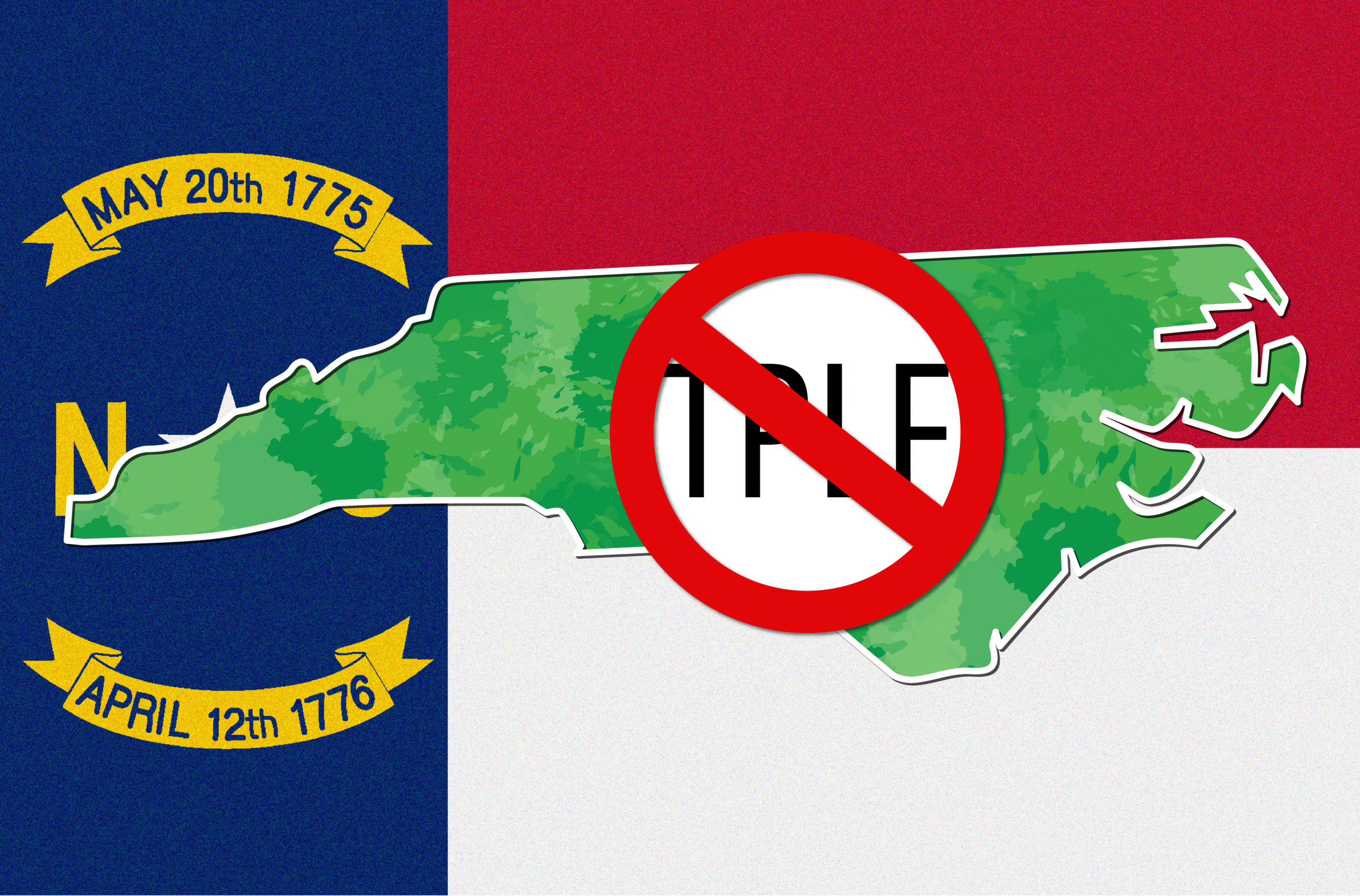
North Carolina became the first state in a growing movement across the country to prohibit commercial TPLF. States including Tennessee, Ohio, New York, Utah, New Hampshire, and Mississippi have enacted measures to increase transparency, strengthen oversight, and place new restrictions on third-party litigation funding.
The Council backs industry legal reform coalitions the Civil Justice Integrity Alliance and the Legal System Abuse Coalition, which are preparing for the 2027 state legislative sessions. Potential priorities are advancing new reforms in Texas, Indiana, Kentucky, New York, Alabama, and South Carolina, as well as defending recent tort reform gains in New York, Florida, Georgia, and Louisiana.
Tools For Broker Engagement
Brokers can bring a valuable perspective to these debates by explaining how litigation trends affect businesses and insurance affordability and availability.
To support that engagement, The Council’s Tort Reform & Legal System Abuse Communications Toolkit provides brokers and their clients with data on the costs of legal system abuse, ready-to-use materials to support tort reform campaigns, and updates on legislation and other developments in priority states.
The Council remains committed to federal and state efforts to curb legal system abuse and advance tort reform. While Washington may still offer opportunities, states may provide the clearest path to progress in the coming year. They also offer brokers an opportunity to make their voices heard.