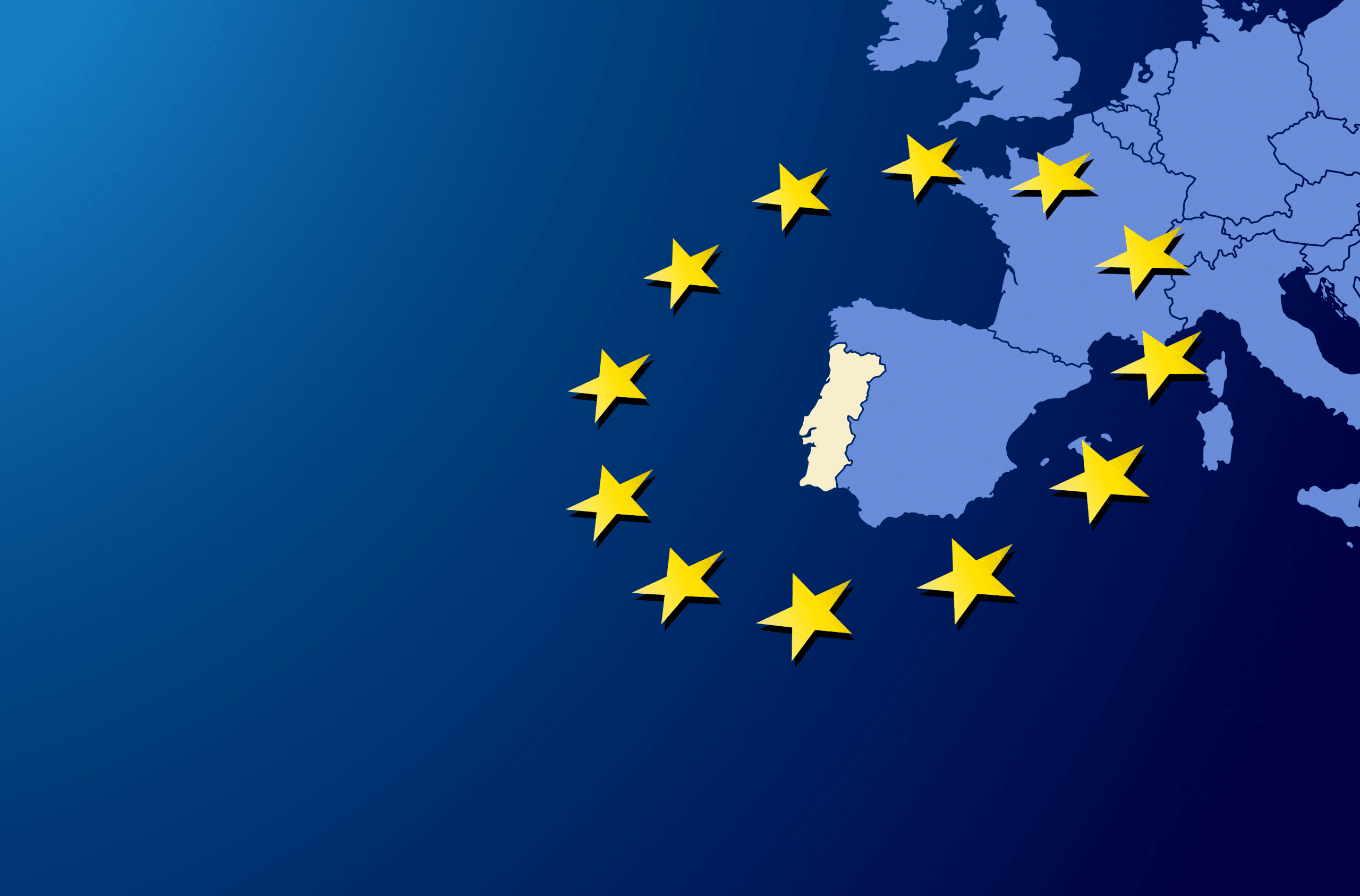
Portugal: A National Market with Strong EU Ties
Insurers that want to do business in the Iberian nation must consider its alignment with European Union markets and regulations.
While Portugal has a flourishing insurance market, its development must be viewed through the prism of its relationship with the European Union (EU).
The domestic market is stable, well-regulated, and fully integrated within the European framework. While not a regional hub for the industry, Portugal benefits from strong alignment with EU markets, increasing interest from international investors, and growing demand from multinational clients.
The market is supervised by the Autoridade de Supervisão de Seguros e Fundos de Pensões (ASF) and operates under Solvency II, the European regulatory regime for insurers and reinsurers. This framework establishes harmonized capital, governance, and risk management requirements across the European Economic Area. As a result, insurers can operate seamlessly across EU markets while maintaining robust oversight and financial resilience with capital requirements.
Building on this regulatory foundation, the Portuguese insurance market is stable and competitive. Total gross written premium has been roughly 14 billion to 15 billion euros in recent years, representing approximately 5% of GDP. The market comprises a balanced mix of domestic insurers and international groups, with a significant number of carriers operating through local entities, branches, or cross-border regimes, reflecting a high degree of openness. The distribution landscape is also well developed, with a broad network of intermediaries, including both global brokerage firms and local players. Market conditions are currently favorable for consumers, with stable to softening pricing across most commercial lines driven by strong competition and adequate capacity, although underwriting remains more selective for complex and catastrophe-exposed risks.
Market Dynamics: Context
- Employee Benefits > Portugal’s employee benefits market is mature and structured around a strong public social security system, complemented by private insurance solutions. Employers are increasingly positioning benefits as a strategic tool for talent attraction and retention.
Data from the World Index of Healthcare Innovation shows that, in 2024, about 70% of the population relied on public insurance, with the remaining opting for private coverage. - Property & Casualty > The P&C market in Portugal is competitive, with over 600 insurers providing a balanced presence of local and international groups.
There is growing demand in Portugal for multinational and cross-border solutions as more domestic companies do business abroad and foreign investment flows into the country. Simultaneously, the emphasis on risk quality and prevention is increasing, reflecting more disciplined underwriting against cyber and other risks.
Market Dynamics: Pricing
- Employee Benefits > Pricing remains broadly stable across most employee benefits lines, except for health insurance, where cost pressures persist.
- Health: Continued pressure due to medical inflation, an aging workforce, and increased usage linked to constraints in the public healthcare system.
- Life and Disability: Stable pricing supported by a predictable claims experience and low litigation.
- Workers Compensation: Stable pricing driven by activity, payroll, and claims history.
- Pensions: Moderate cost, increasingly used as employee retention and long-term planning tools.
- Property & Casualty > Pricing across the market is generally stable, supported by adequate capacity and competitive conditions. However, risk differentiation remains critical for insurers, particularly for higher-risk exposures.
- Property: Rates stabilizing, although catastrophe-exposed risks (wildfires, floods) remain under pressure.
- Liability: Competitive market leading to flat or slightly reduced rates.
- Directors and Officers: Continued softening due to excess capacity in Europe.
- Cyber: Pricing stabilizing, with sustained underwriting discipline.
Market Dynamics: Underwriting
- Employee Benefits > Underwriting remains disciplined, with increased reliance on data quality and risk segmentation. Insurers are placing greater emphasis on long-term sustainability of claims costs and benefit plans. That includes a strong focus on demographics, claims history, and sector risk, along with increased scrutiny of high-cost health conditions. Local underwriting must be consistent with the structure and requirements of global programs.
- Property & Casualty > Underwriting discipline is strong, particularly for complex and industrial risks. Insurers are prioritizing risk quality and prevention measures, including increased risk engineering and site assessments for clients. Insureds also face greater scrutiny of their exposures to wildfires, floods, and other catastrophes. Insurers are stepping up their cybersecurity requirements, including controls such as multifactor authentication for remote access, secure and segregated backups, endpoint detection and response, and formal incident response plans.
Market Dynamics: Capacity
- Employee Benefits > Capacity remains strong across most employee benefits lines, supported by a competitive insurer landscape, particularly in health insurance. Availability of multinational pooling solutions is another resource. There is increasing interest in captives for large groups, particularly multinational corporations, to gain greater control over their employee benefits costs.
- Property & Casualty > Capacity is adequate across most standard lines, although more selective for certain risk profiles including high-risk industries and catastrophe-exposed insureds. Cyber capacity is improving but still limited.
Market Dynamics: Deductibles
- Employee Benefits > Cost-sharing mechanisms, including health copayments and deductibles, are widely used to manage healthcare service use, prevent excessive use, and control premium inflation. Insureds are increasingly employing flexible and voluntary benefit structures enabling them to select, for example, modular health plans that offer different levels of coverage.
- Property & Casualty > Deductibles are broadly stable, although some adjustments are being observed, including higher deductibles to optimize premiums. Cyber deductibles remain above pre- 2020 levels. Wildfire deductibles are increasingly applied in high-risk areas.
Notable Offerings And Consumer Demand
- Employee Benefits > Employee benefits are becoming increasingly strategic, with growing demand for flexible and comprehensive solutions including health insurance and pension and long-term savings programs. Insureds are increasingly adopting flexible platforms that enable employees to select between benefits such as health insurance upgrades, wellness services, childcare, and more. Employees, meanwhile, are focused on mental health, well-being, and work-life balance options.
- Property & Casualty > Clients are seeking more sophisticated and integrated risk solutions, in cyber and other lines, particularly in an increasingly complex risk environment. Coverage is expanding for ESG-related risks, including environmental exposures such as pollution and climate-related events; social risks related to supply chain practices and employee wellbeing; and governance risks such as regulatory compliance, data protection, and management liability. There is also higher demand for integrated solutions combining insurance and risk advisory.
Regulatory Update
Portugal has a robust regulatory framework aligned with EU standards under Solvency II. Workers compensation is mandatory for all employees, liability insurance is mandatory for certain regulated professions, and focus is growing on ESG, data protection, and governance.
Notable Differences From U.S.
The Portuguese insurance market differs significantly from the U.S. market in terms of structure, risk environment, and product design. There is less litigation, resulting in lower claims severity. In addition, Portugal features more standardized and regulated insurance products and greater reliance on multinational and centralized programs.
Portugal aligns with the EU insurance regulatory framework, creating consistency across insurers in adhering to the directives from member nations, compared with the fragmented, state-level regulatory framework in the United States. Businesses also face stronger capital requirements and consumer protections in Portugal.
Tips For Doing Business
1. Relationship-Driven Market: Strong relationships with local brokers and insurers are key to successful placement and servicing.
2. Leverage International Expertise: Portugal is highly integrated into multinational insurance markets, making global coordination essential.