Smart Glasses Emerge as Multipronged Threat
Privacy breaches, sexual harassment or abuse litigation, and reputational damage are all possible risks when smart glasses technology is used inappropriately.
Smart glasses are on the rise.
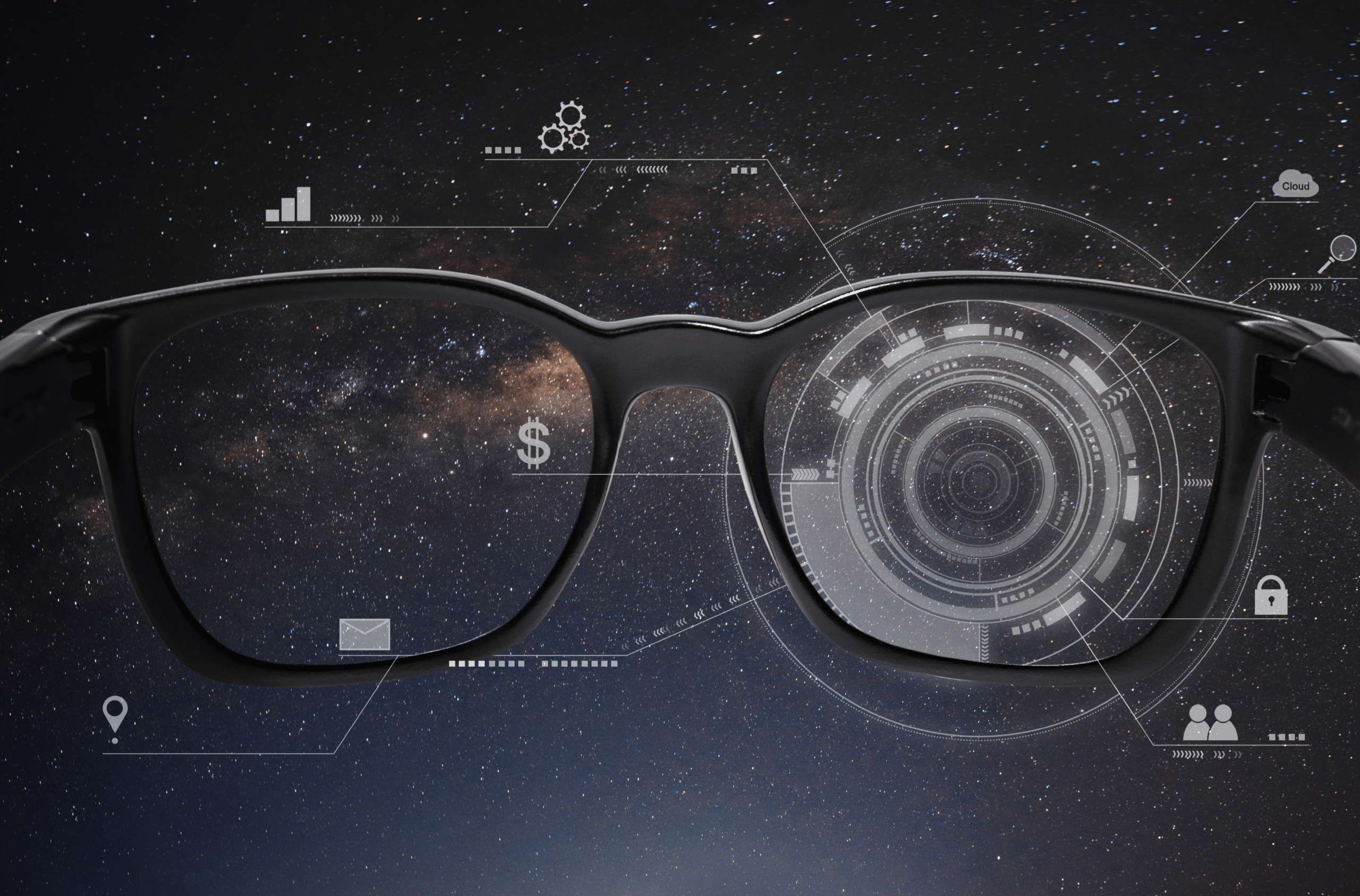
Designed to look like regular glasses or sunglasses, smart glasses have built-in cameras located in the upper corners of their frame. Meta and partner EssilorLuxottica, which own roughly 70% of the market, sold 7 million pairs alone last year.
But the tech-enabled spectacles are under scrutiny as videos surface of customers misusing the product to record public interactions without consent. That leaves businesses and organizations with employees and individuals under their care at risk of being held liable for these incidents. For instance, smart glasses could provide an opportunity for supervisors to covertly record or take photos of their subordinates without consent or for employees to harvest and leak confidential data. Misuse at schools by students or even adults is another concern.
In the following interview, Beazley’s Christina Herald, specialty risks initiatives lead, and Ben Accardo, focus group leader for U.S. safeguard, stress the risks of privacy breaches, sexual harassment or abuse litigation, and reputational damage as businesses and organizations may be targeted as a responsible party for an incident occurring on their premises. Specializing in sexual misconduct liability issues, they shed light on coverage gaps and how insurance brokerages and carriers are responding to this new risk facing their clients.
This interview has been edited for clarity.
Q
What risks are smart glasses creating in your area?
A
BEN ACCARDO: In terms of the type of industries and businesses that we write coverage for, it spans education, healthcare, nonprofits, transportation, really any industry that has interactions with youth or vulnerable adults. We certainly see smart glasses being a new risk for us, in that these glasses can be worn by teachers, can be worn by other students, and people can do inappropriate things with them. They’re somewhat hard to detect, too, which makes it an evolving risk for us.
But we certainly see this risk potentially happening more often in schools or within healthcare organizations, especially because people with glasses is not something that’s too unusual. It’s certainly something that’s a new evolving space for us and something that we’re watching very closely.
Q
How widespread are these kinds of threats or incidents involving smart glasses?
A
CHRISTINA HERALD: I would say that they’re not quite widespread yet. It’s still an emerging concern because more companies are selling these glasses, and it’s a cool piece of tech, which kids tend to be interested in. The concern is that photo taking or recording can be done covertly and used for the wrong reasons, and that could extend to sexual harassment or exploitation. It’s not just a teacher recording a student; it could be a student recording a student, or a student recording a teacher, and a lot of the abuse litigation comes from claims against the entity for their responsibility, for the care and custody of students, patients, clients, etc. It’s new, it’s on our radar, we’re certainly watching it, but we’re starting to have conversations with our insureds and working with our risk management partner to make sure that our clients have the right controls in place to prevent anyone from being harmed.
Q
What are the potential liabilities for schools when an incident like this happens on their grounds?
A
HERALD: For many abuse cases or litigation, it depends on what the organization knew, how they prevented it, and what they did about it, because inaction or lack of appropriate action could be deemed negligent. Schools need to consider gyms and any private areas such as locker rooms, for example. They need to be thinking about whether glasses are permitted in those areas or banned, which would ideally be the outcome here, but that’s certainly a risk. And outside of sexual abuse risk, there’s a wealth of other potential liabilities between privacy concerns, reputational damage; there could be employment concerns if there’s retaliation against someone who recorded something. It can be very significant.
You can’t wait until something happens and then go cover your eyes or sweep it under the rug. We need to be getting ahead of this alongside our clients.
Christina Herald, specialty risks initiatives lead, Beazley
Q
Have you seen any claims for these exposures yet, and can you identify any claims or loss trends?
A
HERALD: Not specific to smart glasses yet. We do anticipate them, [and] we have seen some AI-related claims. We’ve had a claim reported where someone who is in a position of authority over a minor took pictures of the minor, not with smart glasses, but then used AI to generate pornographic images from that image. The concern with the AI glasses is that you could take the picture, the third party might not even be aware that it’s being taken, and then it could be used for the wrong reasons or manipulated.
Q
What insurance should schools or businesses use to protect themselves? Is the insurance today adequate?
A
ACCARDO: I think when we’re talking about evolving risks like this, it just raises the importance of having a really good insurance broker on your side who can understand your business and really get in the weeds on coverage and where the risks within your organization lie. Having a good broker is very important in this situation and also partnering with an insurance company that takes a proactive approach to risk management, someone that can be there to help organizations implement these policies and procedures that are new and cutting edge.
It’s also important to have insurance partners that have claims teams that are familiar with these kinds of matters— especially to Christina’s point, how you can have what is a negligence sexual abuse claim with a privacy component, too, which could be more of a cyber tech-type issue. It’s important to have a claims team that understands these complexities because these are very much evolving risks, and the legal landscape will also, I think, heavily influence how these claims are handled in the future.
There are insurance coverages out there that are more proactive than others, that have more affirmative coverage than others. You certainly want an insurance policy when it comes to abuse that offers affirmative coverage and maybe even takes a stance on covering things like abuse involving artificial intelligence. That’s another key piece; there may be some carriers that don’t want any piece of the AI world. So, having a good understanding of what your organization does, where the risk lies, and then having the sophisticated broker to help guide you through buying the appropriate coverage.
I think when we’re talking about evolving risks like this, it just raises the importance of having a really good insurance broker on your side who can understand your business and really get in the weeds on coverage and where the risks within your organization lie.
Ben Accardo, focus group leader for U.S. safeguard, Beazley
Q
Is there anything that brokerages or carriers can or should be doing additionally to help mitigate the risks of these events before they occur?
A
HERALD: I don’t think ignorance is ever bliss. I think being mindfully aware that this is a risk and speaking to your insurance brokers, your carriers, your management, and trying to navigate that space in an appropriate manner. You can’t wait until something happens and then go cover your eyes or sweep it under the rug. We need to be getting ahead of this alongside our clients. The goal here is to create safer environments for kids and communities. So if we are viewing this as an emerging risk, then it’s on all of us to take action.