Understanding Multinational Insurance in a Complex World
Q&A with Brian Grabek, Executive Vice President and Head of Multinational, Sompo
Multinational insurance has always balanced global coordination with local requirements, but that is becoming more difficult as regulatory complexity, economic volatility, and risk exposures continue to grow.
In this Q&A, Grabek discusses how the market is changing, which lines are best suited for global programs,how technology is shaping program management, and how organizations can evaluate whether their multinational program is working effectively.
Q
How does multinational insurance work?
A
At its core, multinational insurance gives clients a coordinated way to manage risk across global operations. The challenge is ensuring the program is directed centrally while still meeting the legal and regulatory requirements of each local market.
In practice, this usually means a master policy in the home country, supported by locally admitted policies where the client operates. The master policy establishes the overall framework, while the local policies allow the program to function effectively on the ground.
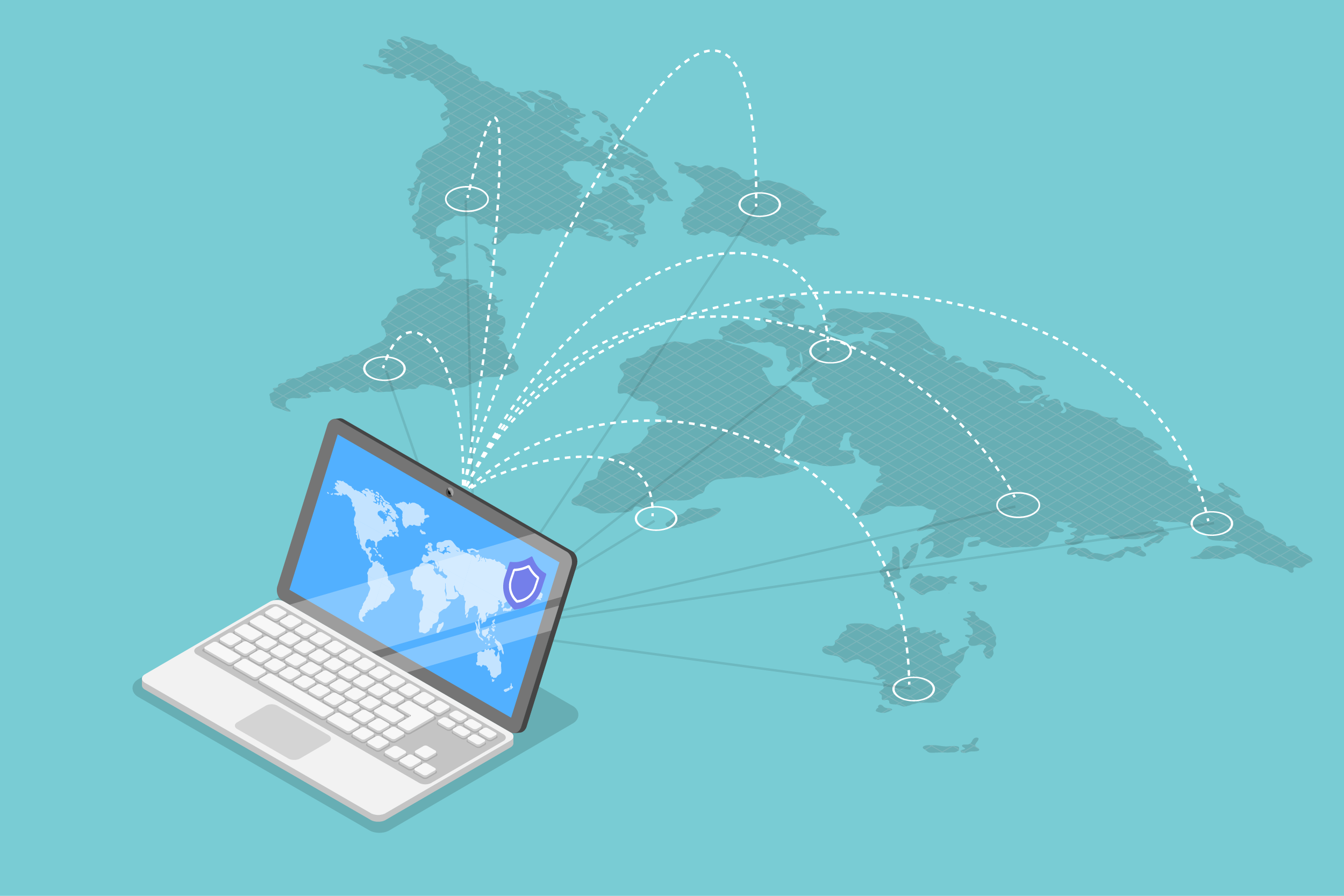
A simple way to think about it is as a hub-and-spoke model. The hub provides oversight and direction, and the spokes enable local execution. When it works well, clients do not have to choose between global consistency and local responsiveness; they get both.
Q
Are particular sectors or product lines especially well-suited for multinational programs?
A
Yes. D&O, property, marine, cyber, and casualty are all strong candidates because the risks often extend across multiple countries. In each of those lines, clients look for two things: consistency in coverage and the ability to respond locally when something goes wrong.
Property is a good example. If there is a loss at a plant, a locally admitted policy can make a real difference in getting the claim paid locally and helping the business recover quickly. Marine is similar, since goods and operations are constantly moving across borders. Cyber and casualty also benefit from a multinational structure because it helps clients stay coordinated globally while still responding effectively in each market.
At the end of the day, multinational frameworks help bring structure and predictability to what is often a very complex risk environment.
Q
How do multinational insurers create a more consistent claims experience across many jurisdictions?
A
It starts with local expertise. If a claim happens in Peru or anywhere else, you need people on the ground who understand the local legal, regulatory, and claims environment. There is no substitute for that.
At the same time, consistency depends on coordination. A strong claims experience does not happen by accident. It requires the right relationships to be in place before a claim occurs and clear communication between the insurer, client, and broker when it does.
That is a major area of focus for us at Sompo. The goal is to combine local knowledge with centralized oversight so that, even though each claim is handled in its local context, the overall experience still feels coordinated and consistent for the client.
Q
How has technology improved multinational insurance?
A
Technology is making multinational programs more scalable, efficient, and responsive. We’re using AI to identify multinational submissions earlier, bring in relevant country information, and help streamline how those risks are set up before they reach the underwriter. That improves speed and consistency.
That said, technology is only as effective as the data behind it. When you’re operating across 165 countries and managing thousands of policies each year, data quality becomes essential. With strong underlying data, technology can give clients better insight, greater transparency, and faster access to information than was possible a few years ago.
That’s one of the biggest shifts in the market. It’s no longer just about digitizing processes, but about using technology and data together to improve execution and give clients better visibility into how their global programs are performing.
Q
How can an insured measure the success of their multinational program?
A
At the most basic level, success comes down to certainty. Clients want to know their policies have been issued, premiums paid, funds are moving properly, and the program is compliant. If those fundamentals aren’t in place, the program is not doing its job.
Today, that’s only part of the picture. Clients are operating in a much more volatile environment, facing everything from geopolitical risk and supply chain disruption to tariffs and broader economic uncertainty. A multinational program must be able to adapt as the business changes.
At Sompo, we believe a successful program is not just built well at the start; it keeps performing as conditions evolve. Ultimately, it gives clients confidence that their insurance program can keep pace with the realities of doing business.