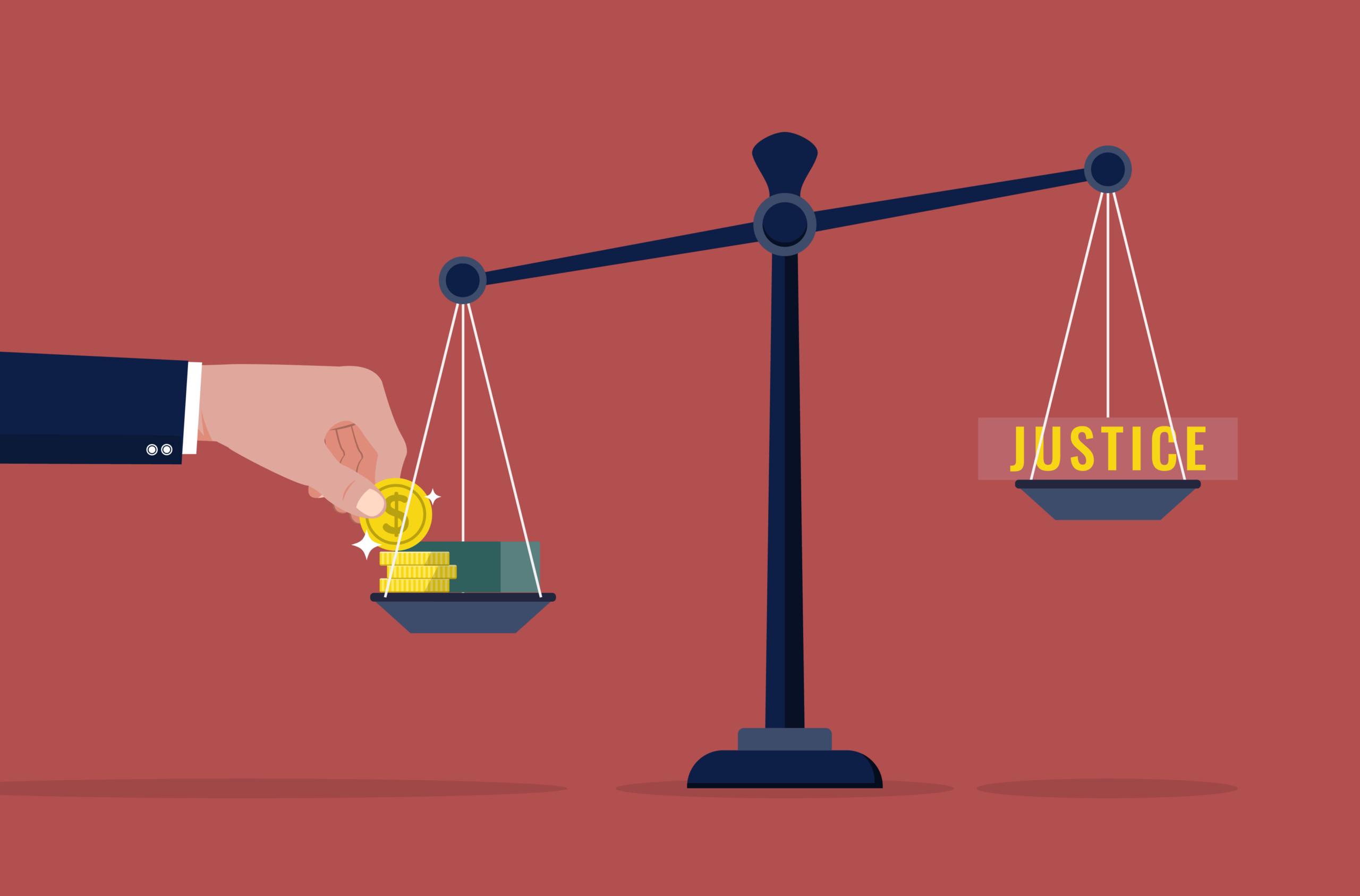
Everybody Pays for Legal System Abuse
Businesses aren’t the only victims of nuclear verdicts and third-party litigation funding.
If you’ve ever wondered who funds the highway billboards promising big lawsuit payouts, the answer is: we all do.
These billboards are mainly financed by plaintiff firms that manipulate the legal system to prioritize profit over justice. Based on return on investment, it’s likely we’ll continue paying for these signs through rising costs for everyday products and services.
Costs Passed to Consumers
Businesses are perceived by the plaintiffs’ bar as having deep pockets, able to settle multi-million and multi-billion lawsuits. However, these costs are transferred to consumers in the form of higher prices. The American Tort Reform Association estimates that lawsuit abuse costs each American $1,424 annually—nearly$6,000 for a family of four.
Defining Legal System Abuse and Nuclear Verdicts
Legal system abuse involves misusing courts and procedures to gain financial or strategic advantages. A key indicator is the rise of “nuclear verdicts”—jury awards exceeding $10 million. These verdicts often include punitive damages that far surpass actual losses, driven by emotional appeals and aggressive tactics. Such large awards inflate expectations, increase insurance premiums, and distort perceptions of fair compensation.
Examples of Nuclear Verdicts and Their Impact
Recent cases highlight the severity of nuclear verdicts. For instance, pharmaceutical companies accused of causing cancer with talc products have faced punitive awards exceeding $1billion. In 2019, a New York auto liability case resulted in a $900 million punitive damages award. The number of these large verdicts is rising; in 2024, there were 135 reported, a 52% increase from the previous year. Over the past decade, verdicts over $1 billion have shifted from rare outliers to more common occurrences.
Tactics Used by the Plaintiffs’ Bar
The rise in legal abuse is fueled by tactics aimed at maximizing financial gains. These include filing frivolous lawsuits that clog courts and heighten defense costs, manipulating class action procedures to inflate damages, and exploiting third-party litigation funding—where outside investors finance lawsuits for a share of the payout. This encourages riskier, longer litigation. Other strategies involve discovery abuse—deliberately increasing costs—and jury anchoring, where introducing high damage figures influences jury decisions.
The Role of Third-Party Litigation Funding
Third-party litigation funding (TPLF) is especially controversial. It involves investors financing lawsuits without a stake in the case but earning a share of any verdict. While some argue TPLF broadens access to justice, critics claim it promotes frivolous and aggressive litigation. Operating with limited transparency, TPLF raises ethical concerns about its influence over case strategies. Its rapid growth is seen as a major driver of social inflation—rising claims costs and verdicts.
Legislative and Policy Efforts
In response, many states are enacting tort reforms—damages caps, procedural changes, and funding transparency rules. Georgia, for example, recently introduced reforms limiting damages and refining trial procedures. Several states now require disclosure of litigation funding agreements to promote transparency. However, these efforts face opposition from trial lawyers and advocacy groups who argue they restrict access to justice.
The Insurance Industry’s Role
The insurance industry is actively fighting legal abuse through risk management strategies, such as claims monitoring, early case assessments, and data analytics. These efforts help identify patterns of excessive litigation. Insurers support tort reforms to limit damages and reduce nuclear verdicts, recognizing that inflated legal costs—estimated at over $20 billion for auto insurers alone—significantly impact claims payouts and premiums.
How Businesses and Consumers Can Help
Tackling legal abuse requires cooperation among policymakers, businesses, insurers, and the public. Companies can reduce risks by strengthening compliance, improving documentation, and using early dispute resolution. Consumers and businesses can also support reforms promoting transparency and fairness. Collective action is essential to restore balance, control costs, and ensure justice is served, not profit.
Conclusion: Moving Toward Fairness and Transparency
Meaningful change depends on collaboration among all stakeholders. Implementing reforms, increasing transparency, and engaging in advocacy are crucial steps to curb legal system abuse. These efforts aim to reduce unnecessary costs, rebuild public trust, and ensure the civil justice system functions fairly for everyone.
To read the full article, go here.